
5 Things You Can Do Right After Baby Comes To Jump Start Your Recovery
A Simple Guide to Healing, Feeling Better, and Gentle Rebuilding after delivery.
Welcoming a baby is life changing in every way. In the midst of joy and overwhelm, it’s important for new moms to remember that your body just went through something major and deserves time, patience, and kindness as it heals. Recovery isn’t about jumping back to where you were before pregnancy right away. It’s about thoughtful care, gentle movement, and nourishing your body so you can feel stronger over time.
Here are five things you can focus on in the first month after delivery that support healing, energy, and wellbeing.
1. Rest and Recover
Rest is one of the most important parts of healing after childbirth. Your body spent nine months growing a baby and then worked hard during labor and delivery. Sleep when you can, even if it means napping during the day while your baby sleeps. Let others help with household tasks and try to limit visitors in the early days so you can focus on healing.
The early weeks are for recovery, not productivity. Giving your body this time to rest helps your muscles, tissues, and hormones return to a healthier state. Connecting with your baby through quiet moments like skin-to-skin contact not only supports emotional bonding but also gives your system a chance to settle into its new rhythm.
2. Practice Diaphragmatic Breathing

Deep breathing exercises, especially diaphragmatic breathing, are gentle and effective ways to reconnect with your body after birth. This type of breathing encourages your diaphragm to engage fully and helps activate your core muscles and pelvic floor gradually.
Try this simple exercise:
- Lie or sit comfortably.
- Take a slow breath in through your nose, letting your belly expand.
- Exhale gently through your mouth, feeling your belly soften.
Doing this a few times a day can improve relaxation, support core muscle engagement, and help reduce tension, especially after the physical demands of pregnancy and childbirth.
3. Nourish Your Body with Good Nutrition
What you eat in the weeks after delivery matters for healing, energy, and overall well-being. Eating balanced meals that include protein, healthy fats, fruits, vegetables, and whole grains helps your body repair tissues, maintain energy, and support breastfeeding if you choose to nurse.
Staying hydrated is equally important. Drinking plenty of water helps with digestion, supports milk production, and keeps your energy steadier throughout the day.
You might find it helpful to prepare some meals in advance or ask loved ones to help with meal prep so you can focus on resting and bonding with your baby.
4. Start Gentle Pelvic Floor and Movement Work
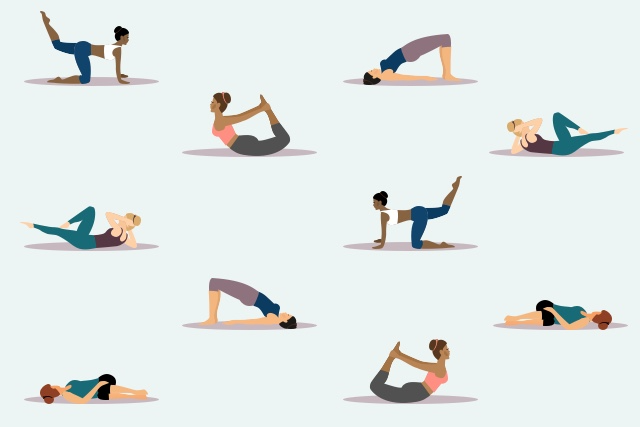
Your pelvic floor and core muscles took a lot of strain during pregnancy and birth. In the first month, focus on gentle pelvic floor engagement and light movement rather than intense workouts. Simple exercises like pelvic floor contractions (sometimes known as Kegels) and gentle walking help improve circulation and support muscle recovery.
Pelvic floor work helps with bladder control and supports deeper core muscles that can feel weak after delivery. If you’re unsure about how to do these exercises or have concerns like leaking or pain, consider talking with a pelvic floor physical therapist.
5. Connect and Take Care of Your Emotional Health
Your emotional wellbeing matters just as much as your physical healing. The sudden shift in hormones after birth, sleep changes, and learning to care for a newborn can all affect your mood and stress levels. It’s normal to have a wide range of feelings in this time.
Make sure you have support from family or friends. Talk about how you’re feeling, and don’t hesitate to reach out to a healthcare provider if you notice signs of anxiety, persistent low mood, or overwhelm beyond “baby blues.” Taking time for simple joys — like reading, listening to music, or being outside — can also lift your spirits.
What's Next?
The first month after your baby arrives is a time to care for you as you care for your newborn. Focus on rest, integrate gentle breathing and movement, eat nourishing meals, and stay connected emotionally. Healing doesn’t happen in a straight line, but with these steps you give your body and mind the best foundation for recovery.
Once you have been cleared by your doctor for physical activity, you are ready to get back into the gym! Introducing physical activity has shown to have so many benefits for you and the baby, but you do need to take it slow, and work yourself back to where you want to be. If you want some help with that, we have designed a 14 week program that aims to build back the strength and stability of certain muscle groups lost during pregnancy, in a controlled progression. Check it out HERE. Send us a message below or email kelly@kellyager.com with questions!
Sources
The Pelvic Studio. Recovery Guide for the First 6 Weeks Postpartum. This resource outlines key postpartum recovery tips, including the importance of rest and gradual movement in early healing.
Expecting Pelvic Health. The Vital Role of Diaphragm Breathing in Restoring Core Function Postpartum. This article explains how diaphragmatic breathing supports pelvic floor and core muscle recovery.
Associates in OBGYN. Postpartum Recovery: What No One Tells You About the First Six Weeks. This overview describes physical and emotional recovery needs in the early postpartum period.
Maternal By Sentido. The First 6 Weeks Postpartum: Your Complete Guide to Recovery Essentials. Offers a comprehensive look at what to expect and how to care for yourself after childbirth.
Inner Bloom Wellness LLC. The First 6 Weeks Postpartum: A Nourishment & Recovery Guide. Focuses on nutrition, hydration, and healing foods to support early postpartum recovery.
Uplift Women’s Health. Postnatal Recovery: What to Focus On in the First 6 Weeks. Provides guidance on rest, gentle movement, pelvic floor healing, and gradual progression.
Boston Pelvic Physical Therapy. When Can You Start Pelvic Floor Exercises After Birth? Describes how diaphragmatic breathing can be used early postpartum to reconnect pelvic floor muscles.
My Cleveland Clinic Health Library. Postpartum: Stages, Symptoms & Recovery Time. Offers medical context on the postpartum period and healing needs like rest, nutrition, and recovery timelines.